Imagine a symphony of precision and craftsmanship, where each note is a meticulously crafted component of a Bulova watch. You might wonder where these remarkable timepieces come to life. With roots in both Switzerland and the United States, Bulova blends tradition with innovation. As you explore the intricate process behind their manufacturing, you’ll uncover the secrets that set these watches apart in the world of horology. What makes Bulova a name synonymous with quality?
The Origins of Bulova: A Brief History
Bulova watches have a rich heritage that traces back to 1875, when Joseph Bulova, a Czech immigrant, established a small jewelry shop in New York City. From those humble beginnings, Bulova quickly gained recognition for its precision and craftsmanship.
By 1919, the brand introduced America’s first fully electronic watch, showcasing innovation that defined its trajectory. During World War II, Bulova contributed to the war effort by producing military timepieces, further solidifying its reputation.
The brand’s commitment to quality and technology continued through the decades, leading to the introduction of iconic designs like the Accutron in the 1960s.
Today, Bulova stands as a symbol of timeless elegance, blending historical significance with modern style, appealing to watch enthusiasts worldwide.
Manufacturing Facilities: Where the Magic Happens
The artistry and precision that define Bulova watches are brought to life in their state-of-the-art manufacturing facilities.
Located primarily in Switzerland and the United States, these facilities blend modern technology with traditional watchmaking techniques. You’ll find highly skilled artisans and engineers working side by side, meticulously crafting each component.
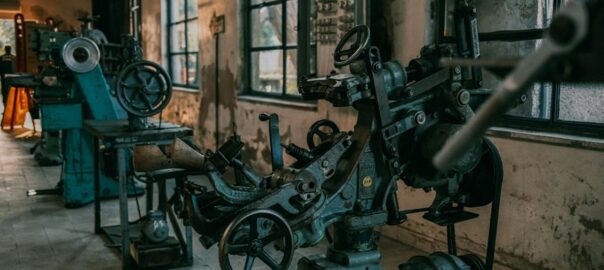
Advanced machinery aids in producing intricate parts with unparalleled accuracy, ensuring every watch meets Bulova’s exacting standards. The design and assembly areas are organized for efficiency, allowing seamless collaboration among teams.
This commitment to quality control means that every watch undergoes rigorous testing before it reaches you.
Ultimately, Bulova’s manufacturing facilities embody the brand’s dedication to innovation and excellence, making each timepiece a true work of art.
The Craftsmanship Behind Bulova Watches
When you think about Bulova watches, it’s hard not to appreciate the precision engineering techniques that go into each piece.
Every watch is crafted with quality materials, ensuring not just durability but also a timeless elegance.
This combination results in timepieces that truly reflect Bulova’s commitment to excellence.
Precision Engineering Techniques
While many watchmakers prioritize aesthetics, Bulova stands out by marrying precision engineering with exquisite craftsmanship to create timepieces that are both beautiful and reliable.
Their commitment to accuracy is evident in the use of advanced technology, like their proprietary tuning fork technology. This allows for unparalleled precision, which means you’re getting a watch that keeps time exceptionally well.
Each component is meticulously designed and manufactured using state-of-the-art machinery, guaranteeing that every gear, spring, and casing fits together flawlessly.
Bulova’s engineers also focus on rigorous testing processes, subjecting their watches to various conditions to verify durability and performance.
This dedication to precision engineering not only enhances the functionality of each watch but also reinforces Bulova’s reputation as a leader in horological innovation.
Quality Materials Selection
Craftsmanship in Bulova watches goes beyond precision engineering; it begins with the selection of quality materials that guarantee both durability and elegance.
When you choose a Bulova, you’re not just selecting a timepiece; you’re investing in top-tier materials like stainless steel, 18K gold, and sapphire crystal.
Each of these components is carefully sourced to guarantee longevity and resistance to wear. The use of high-grade leather for straps and fine finishes adds a touch of luxury, making each watch not just functional, but a statement piece.
Bulova’s commitment to quality means that every watch undergoes meticulous inspection, guaranteeing that only the best materials make it to your wrist, providing you with a blend of style and reliability that stands the test of time.
Materials Used in Bulova Timepieces
Bulova watches are crafted from a variety of high-quality materials that not only enhance their durability but also elevate their aesthetic appeal.
You’ll find stainless steel, known for its resistance to rust and scratches, forming the cases of many models. Some timepieces feature gold plating or even solid gold, adding a touch of luxury.
The watch faces often utilize sapphire crystal, which offers exceptional scratch resistance and clarity. Additionally, Bulova incorporates leather and stainless steel bands, providing comfort and style to suit any occasion.
For those who prefer a sporty look, you’ll see silicone and fabric straps that are both durable and lightweight.
Each material is chosen with care, ensuring that your Bulova watch stands the test of time while looking great.
The Role of Technology in Production
In the world of Bulova watch manufacturing, technology plays an essential role in ensuring high-quality timepieces.
You’ll find that advanced manufacturing techniques, precision engineering innovations, and automation in the assembly process work together to create watches that are both reliable and stylish.
This blend of cutting-edge technology not only enhances efficiency but also elevates the craftsmanship that Bulova is known for.
Advanced Manufacturing Techniques
As technology continues to evolve, the watchmaking industry has embraced advanced manufacturing techniques that enhance precision, efficiency, and overall quality.
Automated machinery and computer-aided design (CAD) are now commonplace in the production process, allowing for intricate designs and flawless execution. These tools help streamline workflows, reducing human error and increasing output.
Additionally, techniques like 3D printing enable rapid prototyping, letting designers test and refine their ideas quickly. Advanced materials, such as lightweight alloys and synthetic sapphires, are also employed to improve durability and aesthetics.
These innovations mean that Bulova can deliver watches that not only look stunning but also stand the test of time. With technology at the forefront, the brand continues to push boundaries in modern watchmaking.
Precision Engineering Innovations
The integration of precision engineering innovations has revolutionized watch production, allowing brands like Bulova to achieve unparalleled accuracy and detail in their timepieces.
You’ll find that advanced computer-aided design (CAD) systems enable meticulous planning and modeling of each component, guaranteeing that every part fits perfectly.
Additionally, cutting-edge machining techniques, such as CNC (computer numerical control), allow for the creation of intricate shapes and patterns that enhance both functionality and aesthetics.
Furthermore, the use of high-quality materials, including stainless steel and ceramics, guarantees durability while maintaining precision.
These innovations not only improve the performance of Bulova watches but also enhance their overall craftsmanship, making them a reliable choice for watch enthusiasts seeking superior quality and style.
Automation in Assembly Process
Automation has transformed the assembly process of Bulova watches, enhancing speed and precision while minimizing human error.
By integrating advanced robotics and automated machinery, Bulova can produce timepieces with remarkable consistency. You’ll notice that these machines handle intricate tasks like component placement and movement calibration, ensuring each watch meets strict quality standards.
Additionally, automation allows for efficient production lines, greatly reducing assembly time without sacrificing craftsmanship. This technological leap doesn’t replace skilled artisans; instead, it complements their expertise, letting them focus on final quality checks and design innovations.
As a result, you can trust that your Bulova watch embodies both modern efficiency and traditional craftsmanship, representing a perfect blend of technology and artistry.
Quality Control: Ensuring Precision and Excellence
While crafting a Bulova watch, maintaining exceptional quality is paramount to guarantee that each timepiece reflects the brand’s commitment to precision and excellence.
You’ll find that Bulova employs rigorous quality control measures at every stage of production. Each watch undergoes meticulous testing to ascertain accuracy and durability.
- Precision testing for timing accuracy within fractions of a second
- Visual inspections to spot any imperfections in craftsmanship
- Water resistance evaluations to confirm reliability in various conditions
These practices not only uphold Bulova’s reputation but also provide you with the assurance that your watch is built to last.
With a steadfast dedication to quality, Bulova guarantees that every watch meets the high standards you expect from a luxury timepiece.