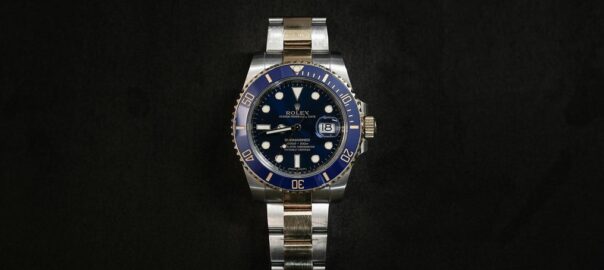
Ever wondered why your Rolex watch might suddenly stop ticking? There are several common culprits behind this issue. From mechanical wear and tear to lack of movement, each has its own implications. Understanding these factors can not only help you troubleshoot but also guide you in maintaining your timepiece’s longevity. Let’s explore the causes and discover some straightforward solutions to keep your Rolex running smoothly.
Mechanical Issues
While it might seem surprising, mechanical issues are one of the most common reasons your Rolex watch could stop functioning.
These issues often stem from wear and tear on the intricate components inside your timepiece. The movement consists of numerous tiny gears and springs that require proper lubrication and maintenance. If these parts become misaligned or dirty, they can hinder the watch’s performance.
Additionally, shocks or impacts can displace components, leading to inaccuracies or complete stoppage. It’s essential to have your Rolex serviced regularly to prevent these mechanical problems.
Lack of Movement
If your Rolex watch has stopped, a common culprit could be a lack of movement.
The automatic winding mechanism relies on your wrist’s motion to keep the gears turning, so prolonged inactivity can lead to winding issues.
Automatic Winding Mechanism
The automatic winding mechanism in your Rolex relies on the motion of your wrist to keep the watch running. When you wear your watch regularly, the rotor inside the case spins, winding the mainspring and powering the movement.
However, if you leave your Rolex unworn for an extended period, the lack of movement can cause it to stop. This is because automatic watches need consistent motion to maintain energy.
Even with a high-quality movement, inactivity can lead to a drained mainspring. To avoid this issue, consider wearing your watch daily or using a watch winder that simulates wrist movement, ensuring your Rolex stays wound and ready for action whenever you need it.
Manual Winding Reminder
Even though automatic watches like Rolexes are designed to wind with wrist movement, manual winding is still an important aspect of maintaining your timepiece.
If you haven’t worn your watch for a while, it may stop due to a lack of movement. To avoid this, simply wind your Rolex manually by turning the crown clockwise. Doing this regularly guarantees the mainspring is adequately tensioned, keeping your watch running smoothly.
Remember, even if you wear your watch daily, it’s beneficial to give it a manual wind occasionally to keep the lubricants evenly distributed and prevent the movement from seizing.
Taking these steps can prolong the life of your Rolex and enhance its overall performance, assuring it remains a reliable companion.
Power Reserve Depletion
While you might expect your Rolex to keep time flawlessly, power reserve depletion can lead to unexpected stops. This phenomenon occurs when the watch’s mainspring, which stores energy, runs down.
If you haven’t worn your Rolex for a while or haven’t wound it sufficiently, it may lack the necessary power to function. Most automatic models have a power reserve of about 48 hours, meaning if left unworn beyond that, it’ll stop.
You can easily avoid this by wearing your watch regularly or manually winding it. If your Rolex has stopped due to power reserve depletion, simply winding it or wearing it again will restore its function.
Keeping track of your watch’s power reserve will guarantee it remains operational.
Magnetism Effects
If you’ve ever noticed your Rolex behaving erratically or stopping altogether, magnetism might be to blame.
Magnetic fields can disrupt the delicate balance of your watch’s movement, particularly affecting the escapement mechanism. This interference can cause your watch to run fast, slow, or even halt completely.
Everyday items like smartphones, speakers, or even certain types of jewelry can emit magnetic fields strong enough to impact your Rolex.
If you suspect magnetism is the culprit, a simple demagnetization process can often restore your watch’s accuracy. Watchmakers use specialized tools to remove magnetic interference, which is quick and effective.
Keeping your Rolex away from strong magnetic sources can help prevent these issues and guarantee your timepiece remains in prime working condition.
Water Damage
When it comes to Rolex watches, water damage can be a serious concern, especially if your timepiece isn’t up to its water resistance rating.
You might notice signs like condensation under the crystal or moisture on the dial, which indicate a breach in the seal.
To keep your watch functioning smoothly, it’s crucial to understand how to prevent water damage and what steps to take if you suspect your watch has been compromised.
Water Resistance Rating
Rolex watches are renowned for their exceptional craftsmanship and durability, but even the most robust timepieces can succumb to water damage if they exceed their water resistance rating.
Each Rolex is designed with a specific water resistance level, often measured in meters or atmospheres. For instance, a watch rated for 100 meters is suitable for swimming but not for diving. When you push these limits, water can infiltrate the case, leading to potential damage.
Regular maintenance is essential; seals can degrade over time, compromising the watch’s integrity. Always check your watch’s rating before engaging in water activities, and consider a pressure test if you suspect any issues.
Protecting your investment means understanding and respecting its water resistance capabilities.
Signs of Water Damage
Even with a proper understanding of water resistance ratings, it’s still possible for a Rolex to encounter water damage.
Identifying the signs early can prevent further issues. Here are some key indicators you should look for:
- Fogging or condensation: Moisture trapped under the crystal is a clear sign of water intrusion.
- Corrosion: Look for rust or discoloration on the case or movement, which can damage internal components.
- Malfunctioning functions: If the watch stops or the hands stick, it could indicate moisture affecting the movement.
Paying attention to these signs can help you determine if your Rolex requires immediate attention.
If you notice any of these symptoms, it’s best to consult a professional for inspection and repair.
Prevention Tips for Wearers
While owning a high-end watch like a Rolex comes with the thrill of craftsmanship, it also demands careful attention to prevent water damage.
First, verify your watch’s crown is fully screwed down before exposure to water. Regularly check the gaskets and seals; these components can wear out over time, compromising water resistance.
It’s wise to have your Rolex serviced every few years by a certified technician, who can replace worn parts and maintain its integrity.
Avoid wearing your watch in hot tubs or during showers, as steam can seep in.
Finally, be cautious around saltwater; the corrosive nature can damage both the case and movement.
Dirty Movement
When a watch stops functioning properly, one of the often-overlooked culprits can be a dirty movement. Dust, grime, and old lubricant can accumulate inside, affecting the watch’s accuracy and preventing it from ticking.
Cleaning the movement is essential for restoring peak performance. Here are a few signs that your watch might need a cleaning:
- The watch runs inconsistently or loses time.
- You hear unusual sounds, like grinding or ticking.
- The watch stops completely after a short period of wear.
If you suspect dirt is the issue, it’s best to consult a professional watchmaker. Attempting to clean the movement yourself can lead to further damage, so let the experts handle it for you.
Broken Parts
After addressing issues like a dirty movement, you might find that the problem lies in broken parts of your Rolex watch.
Over time, components such as gears, springs, or the escapement can wear down or break due to regular use or external impacts. If you hear unusual noises or notice irregular timekeeping, it’s a sign that something might be amiss.
Inspecting the movement can reveal cracks or misalignments that require professional attention. In some cases, a simple replacement might restore functionality, but other times, a full service may be necessary.
Always guarantee you take your watch to a certified technician who understands Rolex intricacies, as improper handling can cause further damage.
Regular maintenance can prevent these issues from arising.
Incorrect Time Setting
If you’ve recently set your Rolex watch but it still seems to be displaying the wrong time, the issue might stem from incorrect time setting.
It’s easy to overlook certain steps during the setting process, leading to errors. Here are some common pitfalls to watch out for:
- AM/PM Confusion: Confirm you’re setting the correct period; a simple mix-up can result in a 12-hour discrepancy.
- Date Adjustment: Adjusting the date too close to midnight can disrupt the time setting, affecting overall accuracy.
- Crown Position: Make sure the crown is fully pushed back in after setting; a partially engaged crown can halt the movement.
Service and Maintenance Needs
Although you may take great care of your Rolex, regular service and maintenance are essential for keeping it running smoothly.
It’s recommended to service your watch every five to ten years, depending on usage and environmental conditions. During a service, a professional will clean, lubricate, and adjust the movement, guaranteeing peak performance.
Neglecting this can lead to wear and tear, affecting accuracy and potentially causing it to stop. Additionally, check the gaskets and seals periodically, as these protect against moisture and dust.
Addressing any signs of damage or malfunction early can save you costly repairs down the line. By prioritizing service and maintenance, you’ll make sure your Rolex remains a reliable companion for years to come.