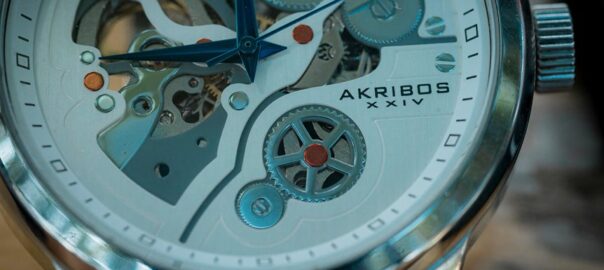
Have you ever wondered if automatic watches really wind themselves just by moving your wrist? It’s true! These remarkable timepieces harness your daily motions to keep ticking without the need for batteries. But how exactly does this intricate mechanism work? Join us as we explore the fascinating world of mechanical movements and uncover the secrets behind these beautifully crafted watches. The journey into their inner workings is just beginning!
The Basics of Automatic Watches
When you think about watches, you might picture quartz movements ticking away, but automatic watches offer a fascinating alternative that combines craftsmanship and innovation.
Unlike their quartz counterparts, automatic watches harness the power of motion to keep time. When you wear one, the movement of your wrist winds the mainspring, storing energy. This means there’s no need for batteries!
Automatic watches are a demonstration of engineering, featuring intricate designs that not only tell time but also showcase artistry. You’ll find them available in various styles, from sporty to elegant, making them versatile accessories.
Embracing an automatic watch means appreciating the harmony of traditional watchmaking and modern design, connecting you to a rich history of horology.
The Mechanics Behind Self-Winding
Now that you understand the basics of automatic watches, let’s explore the fascinating mechanics behind self-winding!
You’ll discover how the rotor works to keep your watch ticking, the role of the gear train, and what affects the power reserve duration.
Get ready to appreciate the intricate design that makes your watch a marvel of engineering!
Rotor Functionality Explained
The rotor is the heart of any automatic watch, transforming everyday motion into the energy needed to keep time.
As you move your wrist, this semicircular piece pivots on a central axis, winding the mainspring and storing energy. It’s like a tiny generator, harnessing your natural movements—whether you’re typing at your desk or enjoying a stroll.
This energy source powers the intricate mechanics of the watch, ensuring it runs smoothly without needing a battery.
The beauty of the rotor lies in its simplicity; it requires no manual winding. Just wear your watch, and let your movements do the work!
With each tick, you’re not just telling time; you’re engaging with a marvel of engineering.
Gear Train Mechanics
At the core of every automatic watch lies the gear train, a fascinating system that transmits energy from the rotor to power the watch’s delicate mechanisms.
When you move your wrist, the rotor spins, winding the mainspring. This stored energy flows through the gear train, which consists of a series of interconnected gears.
Each gear’s precise arrangement multiplies the energy, allowing it to drive various components like the escapement and balance wheel. As these parts work in harmony, they regulate the watch’s timekeeping.
The gear train’s craftsmanship is remarkable, ensuring that even the slightest movement keeps your watch ticking.
Understanding this intricate system adds to the appreciation of the artistry behind your automatic timepiece!
Power Reserve Duration
While you may not think about it often, the power reserve duration of your automatic watch is essential for its performance. This duration refers to how long your watch will run without being worn or wound, typically ranging from 40 to 70 hours.
When you move your wrist, the rotor inside the watch spins, winding the mainspring and storing energy. If you don’t wear it for a couple of days, it might stop, but don’t worry! Just give it a gentle shake or wind it manually to get it going again.
Understanding this aspect helps you appreciate your watch’s craftsmanship and guarantees you never miss a moment. So, keep track of that power reserve and enjoy your timepiece to the fullest!
Key Components of an Automatic Movement
Understanding the key components of an automatic movement is essential for appreciating the craftsmanship behind these remarkable timepieces.
At the heart of every automatic watch lies the escapement, which regulates the release of energy from the mainspring. The gear train, connected to the escapement, transmits this energy to keep the hands moving.
You’ll also find the balance wheel, a critical component that guarantees accurate timekeeping by oscillating back and forth. Additionally, the winding mechanism allows the watch to harness energy from your wrist’s movement, maintaining its power reserve.
Together, these components create a symphony of engineering, showcasing the intricate artistry that defines automatic watches. Immerse yourself in this world, and you’ll discover just how enchanting these mechanisms truly are!
Understanding the Rotor
The rotor is a fascinating component of automatic watches, playing an important role in the winding process. It’s a semi-circular piece that sits on a pivot, moving freely as you wear your watch.
When you move your wrist, the rotor swings back and forth, converting that motion into energy. This energy winds the mainspring, which powers the watch.
What’s amazing is that you don’t have to worry about manual winding—just wearing your watch keeps it ticking!
The rotor’s design guarantees efficiency, making it a vital part of the watch’s movement.
How Movement Powers the Watch
As you move throughout your day, the intricate mechanism of your automatic watch springs into action, harnessing the energy generated by your wrist’s motion.
This energy is captured by the rotor, which swings with your movements, winding the mainspring. The mainspring stores this energy, releasing it gradually to power the watch’s gears and keep accurate time.
You don’t have to worry about winding it manually, since your daily activities take care of that for you!
The beauty lies in the seamless connection between your movements and the watch’s functionality. Each step you take or gesture you make contributes to the watch’s life, creating a harmonious relationship between you and this mechanical marvel.
Isn’t it fascinating how movement powers your timepiece?
Maintenance Tips for Automatic Watches
Your automatic watch thrives on the energy generated by your movements, but to keep it running smoothly, regular maintenance is key.
Start by wearing it daily or using a watch winder to keep the mechanism active. It’s essential to clean your watch regularly; simply wipe the case and bracelet with a soft cloth to prevent dirt buildup.
Every few years, consider having it serviced by a professional to check for lubrication and potential wear. Avoid exposing your watch to extreme temperatures and magnetic fields, as these can affect its accuracy.
Finally, store it in a cool, dry place when not in use. With these tips, your automatic watch won’t only run well but also continue to shine for years to come!
The Evolution of Automatic Timepieces
While many people appreciate the craftsmanship of automatic watches today, few realize how far these timepieces have come since their inception.
The journey started in the 18th century with early spring-driven mechanisms, evolving into the first automatic watch in the 1920s. This innovation introduced the rotor, a small semi-circular weight that winds the mainspring as you move.
Over the decades, brands like Rolex and Seiko refined these designs, enhancing reliability and accuracy.
Today, you can find automatic watches featuring intricate complications, advanced materials, and stunning aesthetics.
As you explore this fascinating evolution, you’ll discover how each advancement has pushed the boundaries of horological artistry, making automatic watches not just functional, but also a symbol of luxury and craftsmanship.